
In Conversation with Elizabeth Broderick AO - Building Inclusive Leadership: Why the Future of Business Depends on Courage, Accountability and Culture
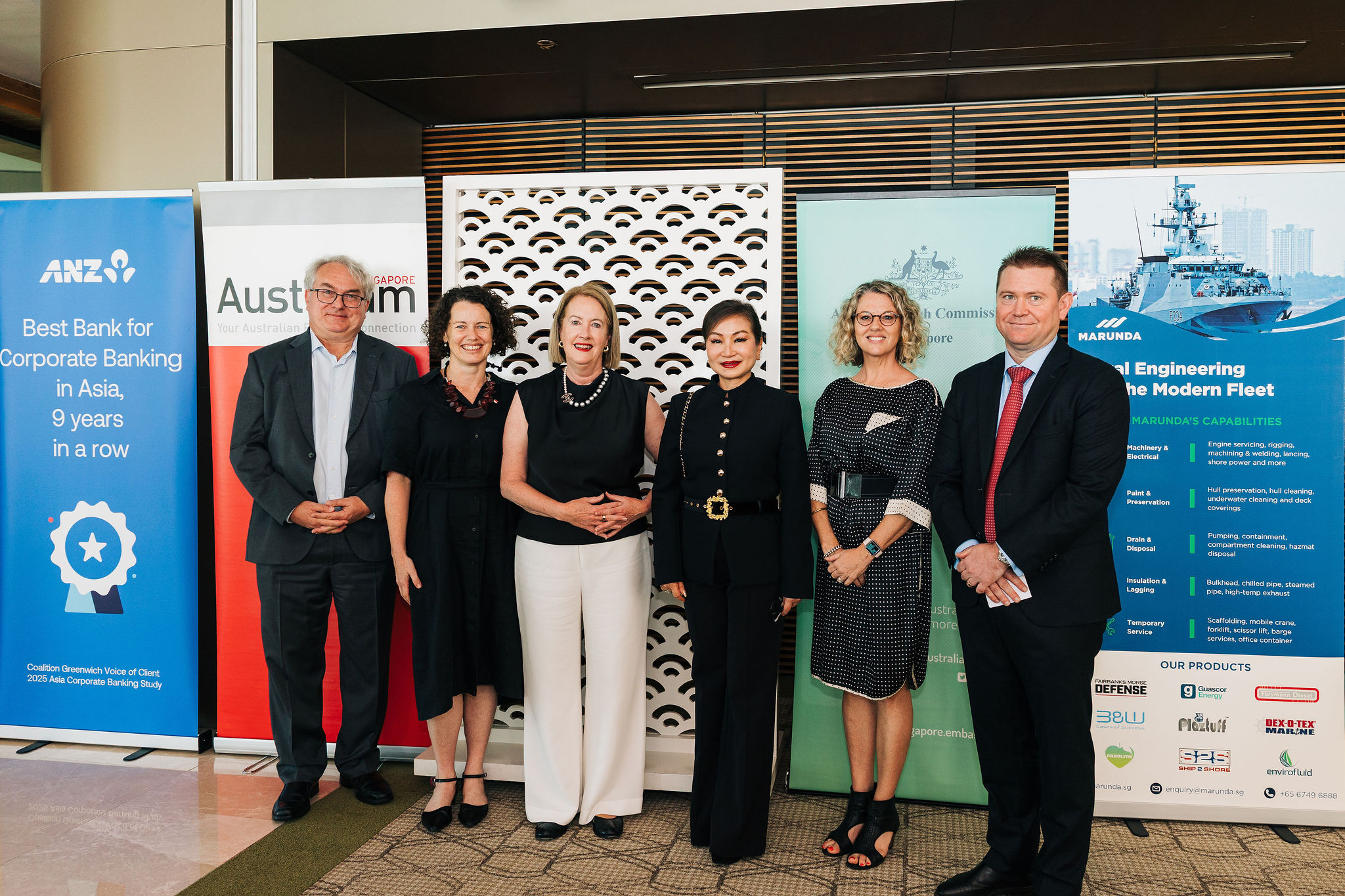
What does it take to create workplaces where everyone has the opportunity to thrive?
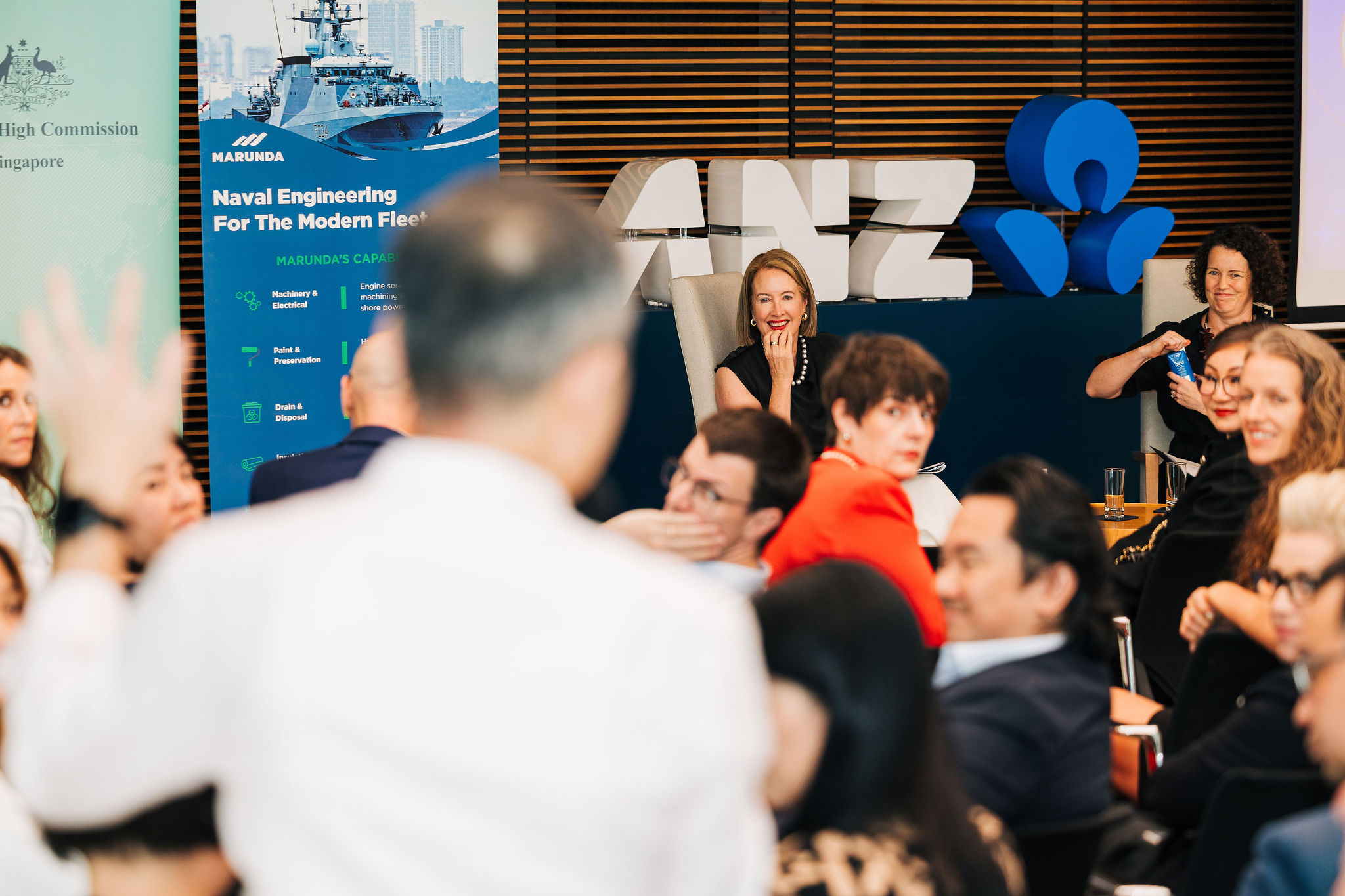
That was the central question explored at AustCham Singapore's first Excellence in Leadership Series event of 2026, where members and guests gathered at ANZ Singapore for an exclusive conversation with Elizabeth Broderick AO, one of Australia's most influential leaders in gender equality, cultural reform and workplace inclusion.
Hosted in partnership with the Australian High Commission Singapore and supported by Event Partner Marunda, the session was moderated by Emily Follett, Australian Deputy High Commissioner to Singapore, and explored the role leaders play in creating cultures that not only attract and retain talent, but ultimately drive stronger organisational performance.
With more than three decades advising governments, global organisations and corporate leaders, Elizabeth has led over 35 independent cultural reviews and founded the internationally recognised Champions of Change Coalition, a network of more than 270 CEOs representing over 1.5 million employees worldwide.
Throughout the conversation, one message resonated clearly: building inclusive workplaces is no longer simply a social imperative - it is a leadership imperative.
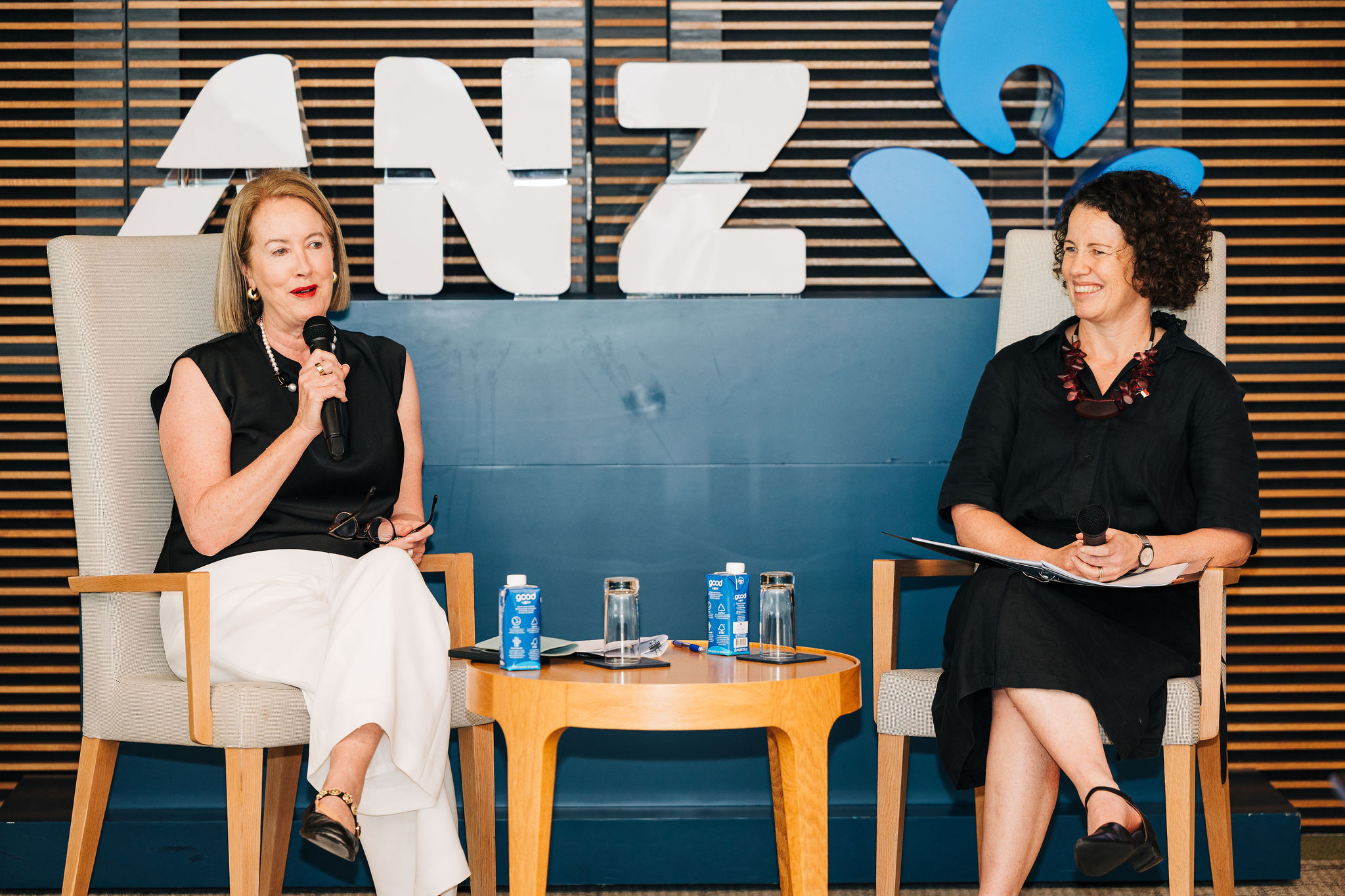
Inclusion is about leadership, not just diversity
Reflecting on the origins of the Champions of Change movement, Elizabeth recalled that when she became Australia's Sex Discrimination Commissioner, women occupied fewer than 8% of ASX-listed board positions and less than 10% of CEO roles. Her initial instinct was to mobilise women, but she quickly realised lasting change would require engaging those who held the greatest influence within organisations.
That insight fundamentally reshaped her approach.
Rather than positioning gender equality as a "women's issue", Elizabeth reframed it as a business, economic and societal issue; one that required leaders to actively examine how power, opportunity and decision-making were distributed within their organisations.
The result was the launch of the Male Champions of Change, which has since evolved into today's Champions of Change Coalition, bringing together male and female CEOs committed to accelerating gender equality and creating more inclusive workplaces.
As Elizabeth explained, meaningful progress begins when leaders recognise that inclusion benefits everyone, because organisations perform better when ALL talent is able to contribute.
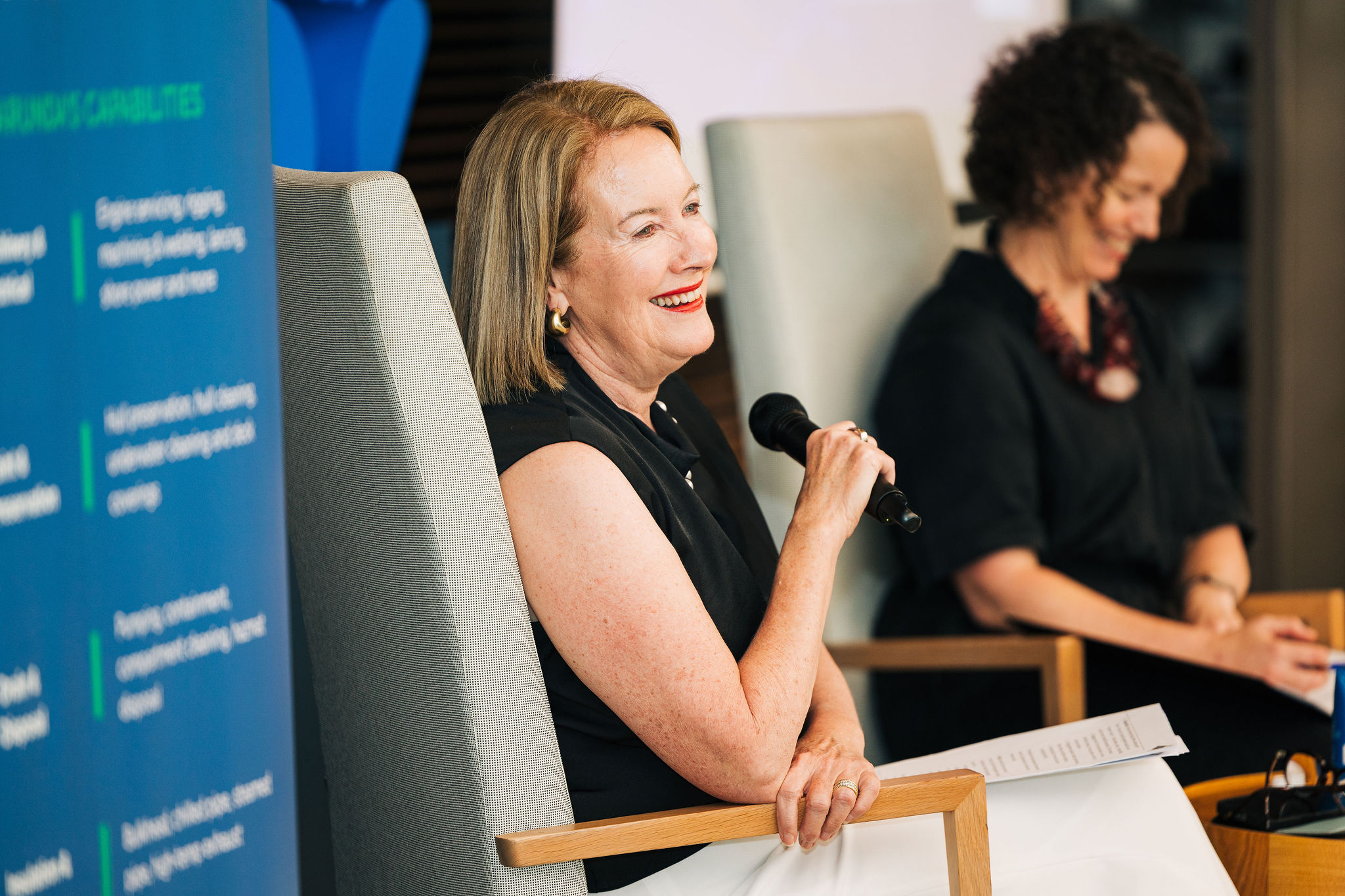
Culture is shaped by everyday leadership behaviours
One of the strongest themes throughout the discussion was that organisational culture is created less by policies than by the everyday behaviours leaders choose to model.
Elizabeth challenged leaders to ask themselves a simple but powerful question:
"What am I walking past?"
She illustrated this with the story of a CEO who laughed along with an inappropriate workplace joke. Although seemingly insignificant at the time, employees later shared that this single moment undermined the credibility of the organisation's commitment to inclusion.
The lesson was clear: every interaction sends a signal.
Creating respectful, psychologically safe workplaces requires leaders to consistently model the behaviours they expect from others - not only through formal policies, but through the decisions they make, the conversations they have, and the behaviours they choose to challenge.
Winning hearts before changing minds
While data remains important, Elizabeth argued that statistics alone rarely inspire meaningful change.
Instead, lasting transformation occurs when leaders connect emotionally with the lived experiences behind the numbers.
She shared how domestic violence advocate Rosie Batty spent time with the Champions of Change Coalition following the tragic death of her son. Hearing her personal story profoundly shifted how CEOs viewed domestic and family violence. It is not simply a societal issue, but also a workplace issue affecting their own employees. The result was tangible action, with many participating organisations introducing unlimited domestic violence leave and additional support for affected employees.
It was a compelling reminder that storytelling remains one of leadership's most powerful tools.
As Elizabeth observed, leaders often change their behaviour not because they have seen another report, but because they have heard a story that stays with them.
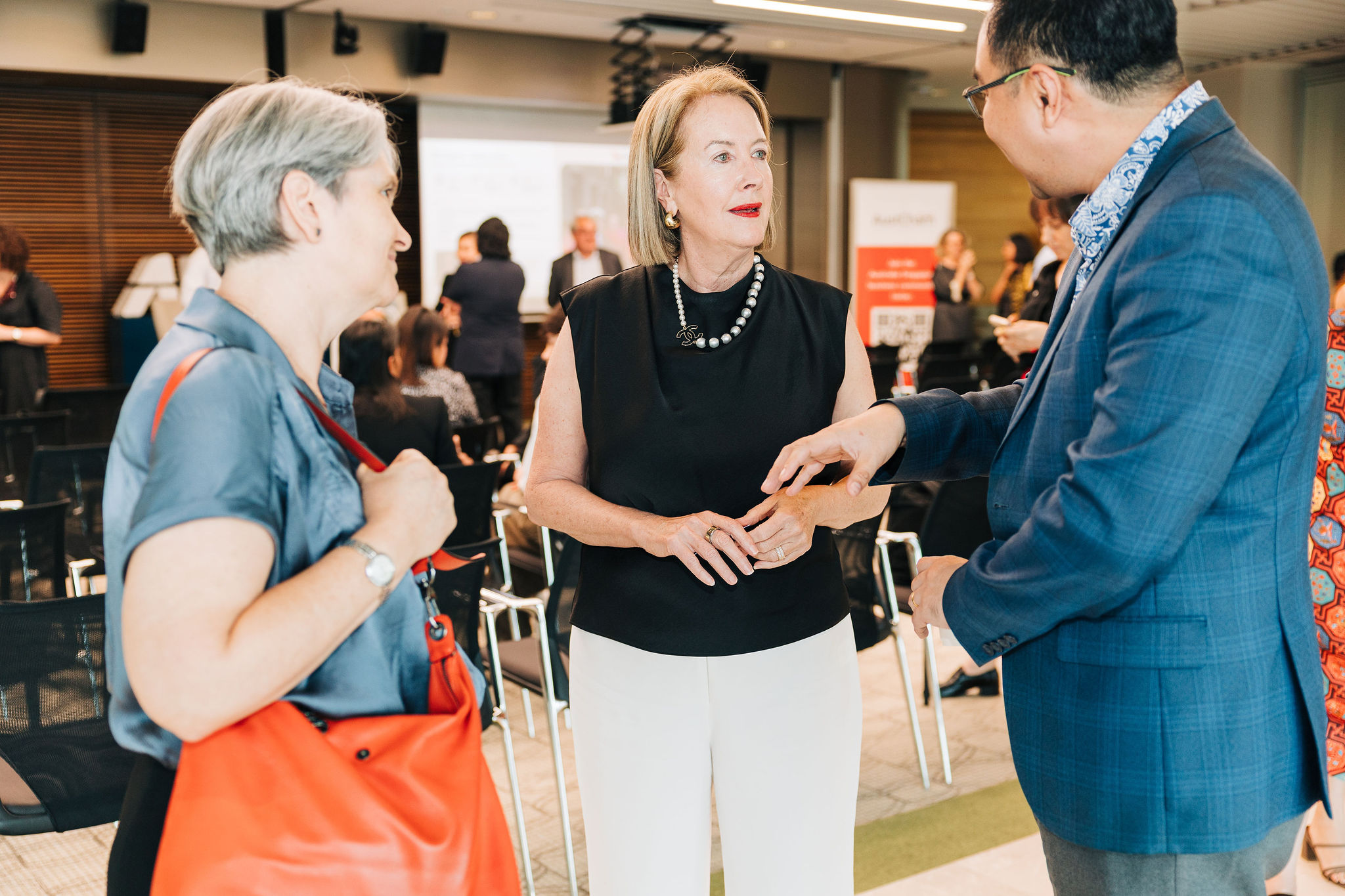
Measuring what matters
Beyond leadership behaviours, the discussion highlighted the importance of accountability.
Within the Champions of Change Coalition, participating organisations publicly report their own progress and learn from one another through sector-based peer groups that regularly test new approaches and share outcomes. Transparency, Elizabeth explained, creates both accountability and momentum.
She also challenged the widely held belief that organisations are true meritocracies.
Research undertaken with McKinsey found that organisations most likely to describe themselves as merit-based often had fewer women reaching senior leadership positions. Rather than being objective, concepts of "merit" frequently reflect long-standing assumptions and unconscious biases embedded within organisational systems.
For leaders, the implication is clear: building more inclusive organisations requires continual examination of recruitment, promotion, performance and leadership frameworks to identify where bias may unintentionally exist.
The next frontier: AI and the future of inclusion
The conversation also explored one of today's most pressing leadership challenges: ensuring technological advancement supports rather than undermines inclusion.
Elizabeth noted that unequal access to AI tools and digital upskilling risks widening existing workplace inequalities, particularly for employees taking career breaks or parental leave. She also highlighted concerns that large language models can reinforce historical biases if left unchecked.
To address these challenges, the Champions of Change Coalition has developed an Inclusive AI Pledge encouraging organisations to promote equitable access to AI, adopt inclusive procurement practices and actively identify bias in AI-generated outputs.
Rather than viewing AI solely as a technology issue, Elizabeth encouraged leaders to see it as a leadership issue - one that requires thoughtful governance alongside innovation.
Leading through courage and compassion
As the session drew to a close, one theme emerged above all others: inclusive leadership is fundamentally about courage.
It is the courage to question established norms.
The courage to have difficult conversations.
The courage to challenge behaviours that undermine culture.
And perhaps most importantly, the courage to lead with both evidence and empathy.
Elizabeth concluded by reminding attendees that sustainable change is achieved not simply by winning people's minds, but by winning their hearts.
For today's business leaders, that message has never been more relevant.
Key Takeaways
- Inclusion starts with leadership. Culture is shaped by the behaviours leaders model every day.
- Accountability drives progress. Transparency and measurement create momentum for change.
- Stories inspire action. Personal experiences often have greater impact than data alone.
- Challenge assumptions. Small changes to organisational systems can significantly improve equity and opportunity.
- Lead with courage and compassion. Lasting cultural change requires both conviction and empathy.
Useful Links